Our Blog

Germs living on my toothbrush? Say it ain’t so!

June 27th, 2018

You may have heard talk about the germs that can reside on your toothbrush and thought, “really?”

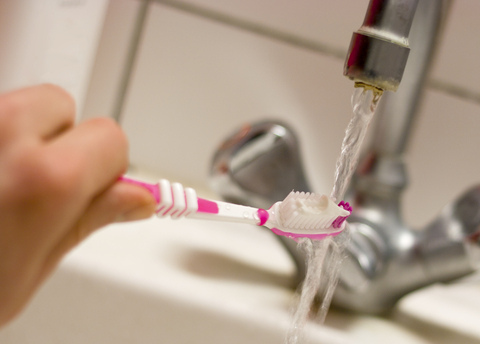
It’s true—there are several kinds of bacteria that can lurk on the bristles of your toothbrush, including streptococci, staphylococci, Herpes Simplex I, and the Influenza virus. To protect your toothbrush from bacteria, Dr. Jason P. Tosto and our team want you to consider the following three tips:

  • Wash your hands before and after brushing.
  • Allow the brush to air dry after each use, as harmful bacteria dies after being exposed to oxygen. It is best to disinfect your toothbrush weekly and allow it to dry in between use. Store the toothbrush in an upright position to allow water to drain and dry faster
  • Replace your toothbrush every three to four months, or after being ill. Worn bristles are less effective in properly cleaning your teeth, and can actually be damaging to teeth if used too long!

We hope these tips help! Feel free to give us a call at our Hellertown, PA office or ask us on Facebook if you have any questions!

The History and Mythology of the Tooth Fairy

June 13th, 2018

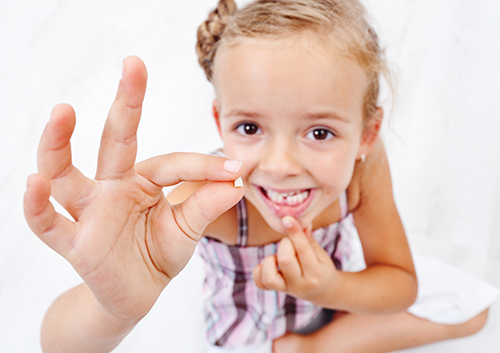
While the last baby teeth generally aren’t lost until age ten or 11, most children stop believing in the tooth fairy by the time they're seven or eight. Of course, children are more than happy to play along with the game when there’s money at stake! While it is impossible to know what the tooth fairy does with all those teeth (are they labeled and stored like museum pieces in a giant fairytale castle?), it is possible to trace the history and myth of the tooth fairy to several cultures and traditions. Dr. Jason P. Tosto and our team learned about some interesting myths about the tooth fairy!

The Middle Ages

Legend has it that Europeans in the Middle Ages believed a witch could curse someone by using their teeth, so it was important to dispose of baby teeth correctly. Teeth were swallowed, buried, or burned. Sometimes baby teeth were even left for rodents to eat. Despite being pests, rodents were valued for their strong teeth; it was generally believed a tooth fed to a rodent would lead to the development of a healthy and strong adult tooth.

Eighteenth Century France

The tooth fairy myth began to show more characteristics of a conventional fairytale in 18th century France. La Bonne Petite Souris, a bedtime story, tells the strange tale of a fairy that changes into a mouse to help a good queen defeat an evil king. The mouse secretly hides under the evil king’s pillow and defeats him by knocking out his teeth.

Scandinavian Lore

So, why does the tooth fairy leave money under the pillow? The idea of exchanging a tooth for coins originated in Scandinavia. Vikings paid children for a lost tooth. Teeth were worn on necklaces as good luck charms in battle. While the idea of exchanging a tooth for coins quickly spread throughout the rest of Europe, a fierce, horn-helmeted Viking is far cry from the image of a fairy collecting teeth.

While the tooth fairy as children know her today didn’t make an appearance until the 1900s, tooth myths and rites of passage have existed in numerous cultures since the dawn of time.

June is National Smile Month: Show off your smile!

June 6th, 2018

The community health awareness group Oral Health America has reported that 82 percent of adults are unaware of the role that infectious bacteria can play in tooth decay or cavities, and almost three out of five children aged 12 to 19 have tooth decay. Since June is National Smile Month, Dr. Jason P. Tosto and our team at Tosto Family Dentistry thought we’d remind our patients about the importance of good oral hygiene visits between office visits.

To keep your family’s smiles healthy and beautiful for years to come, be sure to:

  • Brush at least twice a day with fluoride toothpaste
  • Floss every day to clean between your teeth
  • Eat a healthy, well-balanced diet
  • Reduce your intake of sugary foods and drinks
  • Visit Dr. Jason P. Tosto for scheduled appointments

If you want to know more about healthy home care habits, feel free to ask our team at your next appointment, or ask us on Facebook!

Energy Drinks and Dental Health

May 30th, 2018

Are energy drinks bad for your teeth? Many of our patients at Tosto Family Dentistry ask us this question, so here’s the scoop.

Energy drinks have been on the rise, taking up more and more space on grocery store shelves. Drinks such as Red Bull, 5-Hour Energy, Monster Assault, Rockstar, and the like promise to jump-start your day, give you more energy, and help you feel more alert. But they also do a lot more than that. Turns out, they do a pretty good job of stripping your teeth of enamel, which is a very bad thing.

Many of these energy drinks are loaded with a lot of citric acid. In addition, they are laden with preservatives (not to mention sugar), not only to enhance flavor, but extend shelf life. While enamel loss, tooth decay, teeth sensitivity, and cavities cannot be blamed entirely on energy drinks (improper oral hygiene at home and lack of professional dental care also play a role), they can wreak havoc on the health of your teeth and gums, especially when consumed in more than moderation. Over time, energy drinks can strip enamel, which is the outer layer that protects your teeth.

What can you do?

Although Dr. Jason P. Tosto and our team aren't recommending you drink energy drinks at all, if you must drink one occasionally, there are a few things you can do to minimize the damage to your teeth.

  • Drink through a straw.
  • Don’t hold the drink in your mouth before swallowing.
  • Rinse your mouth with water immediately after drinking this kind of beverage. Water helps both to neutralize the acid and to increase the production of saliva.
  • Chew sugar-free gum immediately after, to increase saliva production.
  • Don’t brush your teeth right after drinking an energy drink. Wait at least an hour instead, because the combination of the acid and brushing will further damage tooth enamel.

The best advice is to refrain from drinking energy drinks altogether. One of the best hydrators is water. Water is a natural energy-booster and hydrator, and it doesn’t contain calories.

Give us a call today at our Hellertown, PA  office if you have any questions or concerns about energy drinks and dental health. We can provide additional tips and a treatment plan to help reduce enamel loss, eliminate tooth sensitivity, and repair cavities and tooth decay as a result of drinking energy drinks.