Our Blog

February is Heart Month

February 6th, 2019

The American Academy of Periodontology stresses the importance of good oral health since gum disease may be linked to heart disease and stroke. Thus far, no cause-and-effect relationship has been established, but there are multiple theories to explain the link between heart disease and periodontal disease. One theory suggests that oral bacteria may affect heart health when it enters the blood and attaches to the fatty plaque in the heart's blood vessels. This can cause the formation of blood clots. Another theory suggests the possibility that inflammation could be a contributing link between periodontal disease and heart disease. Gum disease increases plaque buildup, and inflamed gums may also contribute to the development of swollen or inflamed coronary arteries.

What is coronary artery disease?

Coronary artery disease is caused in part by the buildup of fatty proteins on the walls of the coronary arteries. Blood clots cut off blood flow, preventing oxygen and nutrients from getting to the heart. Both blood clots and the buildup of fatty proteins (also called plaque) on the walls of the coronary arteries may lead to a heart attack. Moreover, periodontal disease nearly doubles the likelihood that someone will suffer from coronary artery disease. Periodontal disease can also worsen existing heart conditions, so many patients who suffer from heart disease need to take antibiotics before any dental procedures. This is especially true of patients who are at greatest risk for contracting infective endocarditis (inflammation of the inner layer of the heart). The fact that more than 2,400 people die from heart disease each day makes it a major public health issue. It is also the leading killer of both men and women in the United States today.

What is periodontal disease?

Periodontal disease is a chronic inflammatory disease that destroys the bone and gum tissues around the teeth, reducing or potentially eradicating the system that supports your teeth. It affects roughly 75 percent of Americans, and is the leading cause of adult tooth loss. People who suffer from periodontal disease may notice that their gums swell and/or bleed when they brush their teeth.

Although there is no definitive proof to support the theory that oral bacteria affects the heart, it is widely acknowledged better oral health contributes to overall better health. When people take good care of their teeth, get thorough exams, and a professional cleaning twice a year, the buildup of plaque on the teeth is lessened. A healthy, well-balanced diet will also contribute to better oral and heart health. There is a lot of truth to the saying "you are what you eat." If you have any questions about you periodontal disease and your overall health, give our Hellertown, PA office a call!


How do OTC whitening treatments compare to in-office whitening?

January 30th, 2019

If you are unhappy with the color of your teeth, teeth whitening may be an excellent choice for you. Many patients of Dr. Jason P. Tosto suffer from darkened teeth due to the natural aging process, regular consumption of coffee or tea, or nicotine staining from cigarettes.

Some people may have darkened teeth due to long-term use of medication. Certain medication-related stains on the teeth cannot be lightened, but virtually every other type of teeth stains can be effectively lightened using either professional dental whitening or at-home whitening.

While both types of whitening have benefits, at-home kits are less expensive and less effective overall. Professional teeth whitening is a highly effective option, but it requires a bit more of an investment. Here is the basic info on each type of whitening.

At-Home Whitening

At-home whitening is done in a number of different ways today. Some of the most popular options include:

  • Whitening strips that are applied to teeth and then removed after a specified period. These will typically be used once a day for at least a week.
  • Whitening gels or pastes that are placed in a one-size-fits-all plastic tray. These trays are worn, retainer style, for a set period of time once a day.
  • Whitening toothpaste, which is used daily, and whitening mouthwashes are also available today. These products require constant use to realize results.

In-Office Whitening

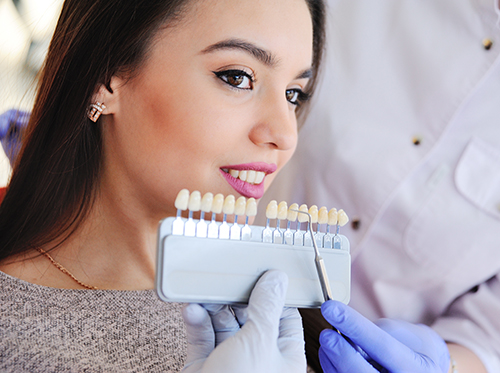
In-office whitening is the fastest way to achieve whiter teeth. If you want an almost immediate difference in the color of your teeth and their overall appearance, this is probably the option for you.

Dr. Jason P. Tosto will typically apply the whitening formula directly to your teeth. Following the application, we will have you relax in our office between half an hour and an hour.

Some office-whitening formulas are strengthened with the use of heat, specialized lighting, or laser application. Patients will usually notice whitening results after only one application, but it usually takes at least a few appointments at Tosto Family Dentistry to notice a truly dramatic change in tooth color.

What kind of toothbrush and toothpaste should my child use?

January 23rd, 2019

Dr. Jason P. Tosto and our team know that as a parent, you want your child to be as healthy as possible. By now, you probably know that your son or daughter’s oral health plays a huge role in overall health.

When there are so many toothpaste ads and different styles of brush to choose from, it can be difficult to know which will serve your child the best. We recommend you break down the decision process to make it simpler.

First, your child’s age and stage of development are vital to consider. Until about the age or 12, your youngster may not be prepared to brush or floss adequately alone, due to dexterity issues. If that’s the case, it can be easier to use a battery-powered toothbrush to improve the quality of brushing.

Next is to select the right size of toothbrush head to fit your child’s mouth. As a general rule, the head of the toothbrush should be a little larger than the upper portion of the child’s thumb.

Flossers are great for children and easy to use. They have handles and a horseshoe shape on one end with floss in between. Your child can choose a color he or she likes as well as the handle size, shape, etc.

Not only are there many brands of toothpaste to choose from, there are also many different ingredients that offer varying benefits. Kids are at high risk for developing cavities so you want to make sure the following ingredients are in your child’s toothpaste if you wish to avoid problems later on.

Sodium fluoride is the standard ingredient for cavity prevention, while stannous fluoride is anti-bacterial and anti-cavity. Anti-sensitivity toothpastes often contain potassium nitrate, and triclosan can be found in one particular brand for anti-bacterial action.

Fluoride should not be ingested, so if your child can’t spit yet, use a toothpaste that contains xylitol. This is a natural sweetener and should be the first ingredient listed on the tube.

Now comes the fun part: choosing a flavor! Your little one may sample different flavors and select the one he or she likes the best. A youngster is more likely to adopt good brushing habits if the flavor is appealing.

Don’t hesitate to speak with Dr. Jason P. Tosto if you need to make an appointment at our Hellertown, PA office, or if you have any questions about toothpastes or toothbrushes.

Suffer from tooth discoloration? Don’t panic!

January 16th, 2019

Like many other parts of the human body, teeth age. You may look at old photos and realize your smile was significantly brighter in the past than it is now. Many adults experience tooth discoloration and find it embarrassing.

The good news is there are treatment options! The first step to recovering your bright smile and finding appropriate treatment is to determine what’s causing the discoloration.

There are multiple reasons for tooth discoloration. Some are under your control, but unfortunately, others may not be. Glance at the list below and see if you can pinpoint the cause of your tooth discoloration.

  • Poor Dental Hygiene: This one is obvious. There’s a reason your parents (and dentist) always told you to brush and floss three times a day.
  • Genetics: A big part of your dental health is determined by genetics; in other words, what runs in your family. Sometimes people inherit naturally discolored teeth.
  • Diet: Do you eat sugary foods often? Drink lots of soda? Gulp more than two cups of coffee a day? Are you an energy drink fan? We’re not pointing any fingers ... but you should do the math.
  • Tobacco: Because cigarettes contain nicotine, they can readily stain your teeth. So hardcore smokers often develop prominent brown stains.
  • Medications: Medicines such as doxycycline, tetracycline, antihistamines, blood-pressure medications, and antipsychotic drugs can all create tooth discoloration as a side effect. (If you suspect this could be the case for you, don’t ever discontinue your medication without consulting your doctor first!)

Did you find the culprit? Perhaps the easiest way to avoid tooth discoloration in your case might be to make some simple adjustments to your diet and other habits.

Also, when you consume drinks or foods that are high in acid or sugar content, take a moment to rinse your mouth with water afterward. If you’re an avid tobacco user, you may want to reconsider that; especially because it can have deadly effects that go way beyond your smile.

Dr. Jason P. Tosto can also suggest other treatment options. While over-the-counter agents do help, in-office whitening treatments tend to be more effective. If whitening agents don’t alleviate the problem, you may want to consider bondings or veneers.

If you’re worried about discoloration of your teeth, or have any questions about how to treat it, please feel free to reach out to our Hellertown, PA office! We can help you identify what may be causing the problem and work with you to give you a smile you’ll be proud of.